

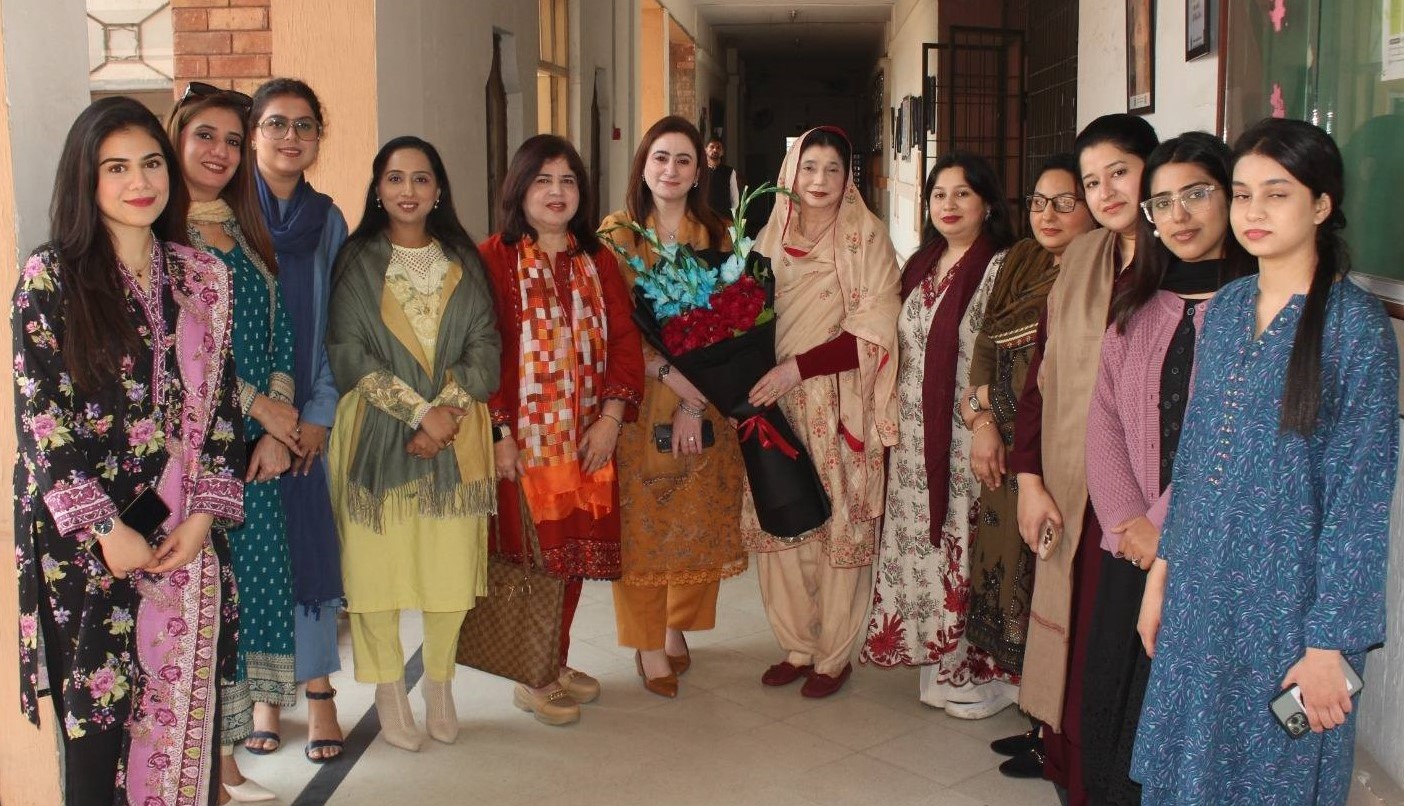
 In view of the observance of the International Day for the Prevention of Violent Extremism, the Department of Applied Psychology at Lahore College for Women University (LCWU) organized a thought-provoking discussion titled “From Disclosure to Reform: Policy Pathways After Epstein Files.” The session aimed to critically examine issues of exploitation, institutional accountability, and preventive policy reforms in light of global concerns regarding violence and abuse. The session was organized and moderated by Prof. Dr. Amina Muazzam, Chairperson, Department of Applied Psychology.
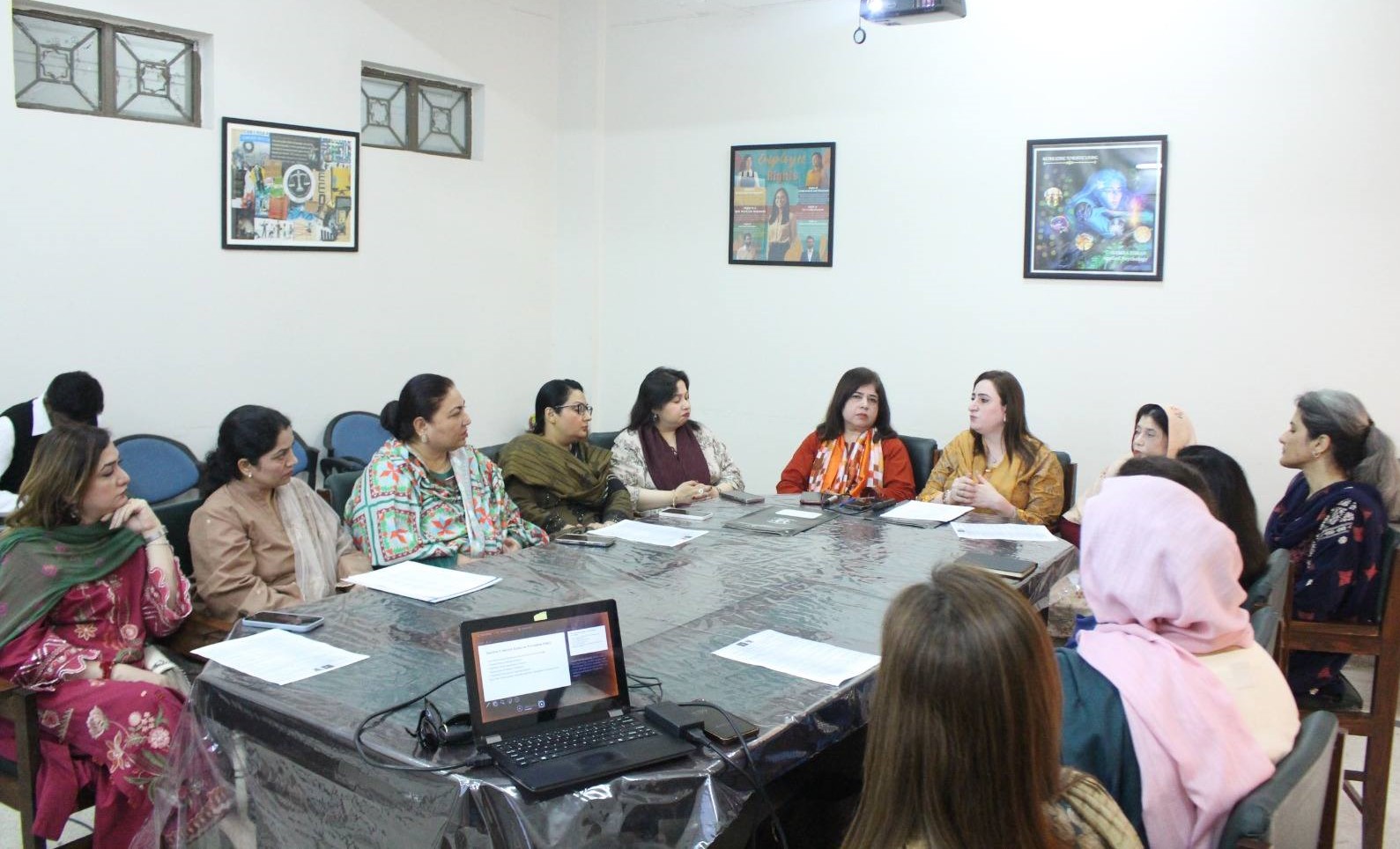 The panel brought together prominent several eminent psychologists, clinicians, and policy experts from leading academic and clinical institutions in Lahore to deliberate on the psychological, institutional, and policy implications highlighted by the Epstein case, with a focus on prevention, reform, and survivor-centered approaches.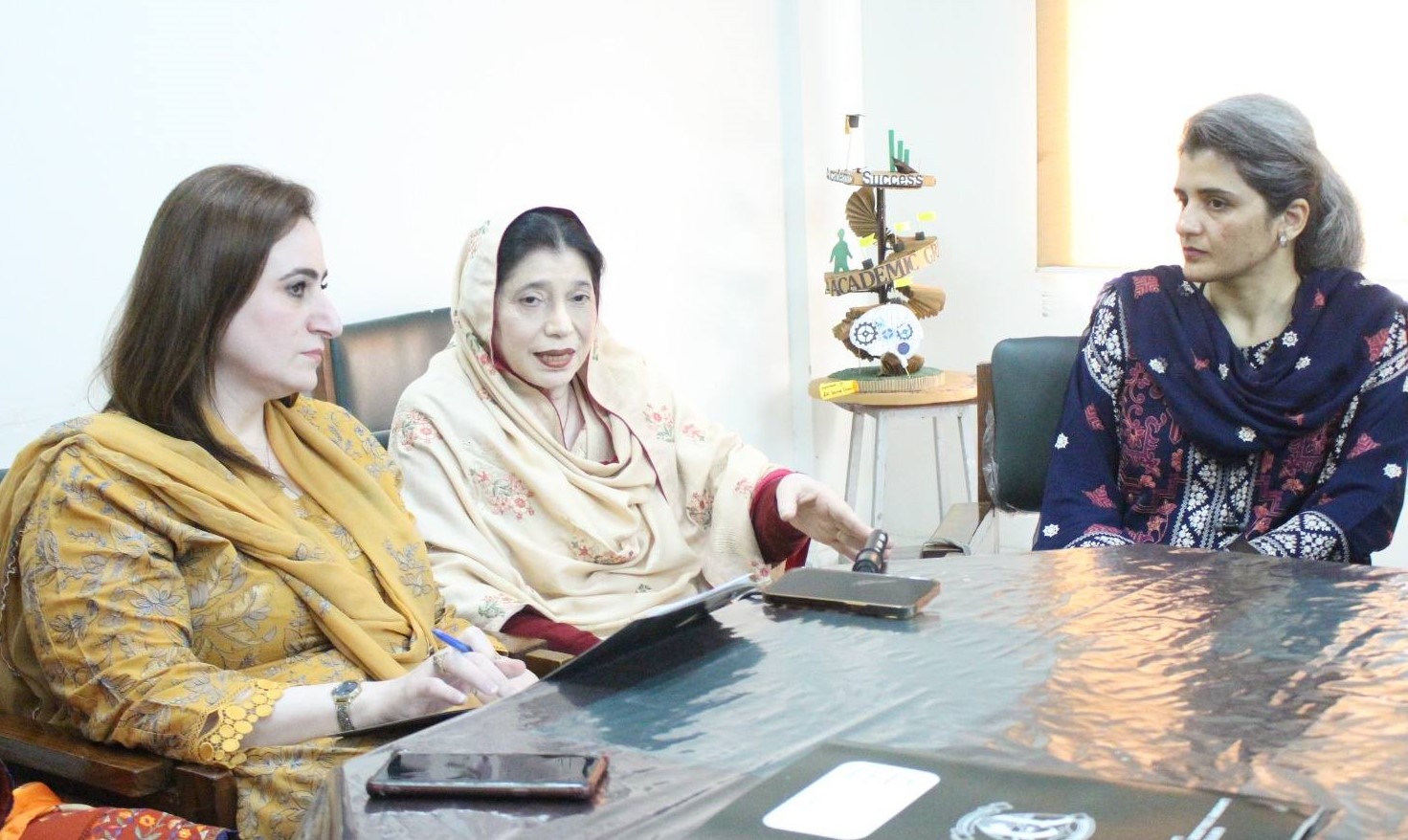
Additional General Secretary PPA Prof. Dr. Syeda Shahida Batool (GC University Lahore) discussed lessons from Epstein’s network, emphasizing the importance of multidisciplinary prevention frameworks that integrate law, psychology, education, and governance to address systemic vulnerabilities.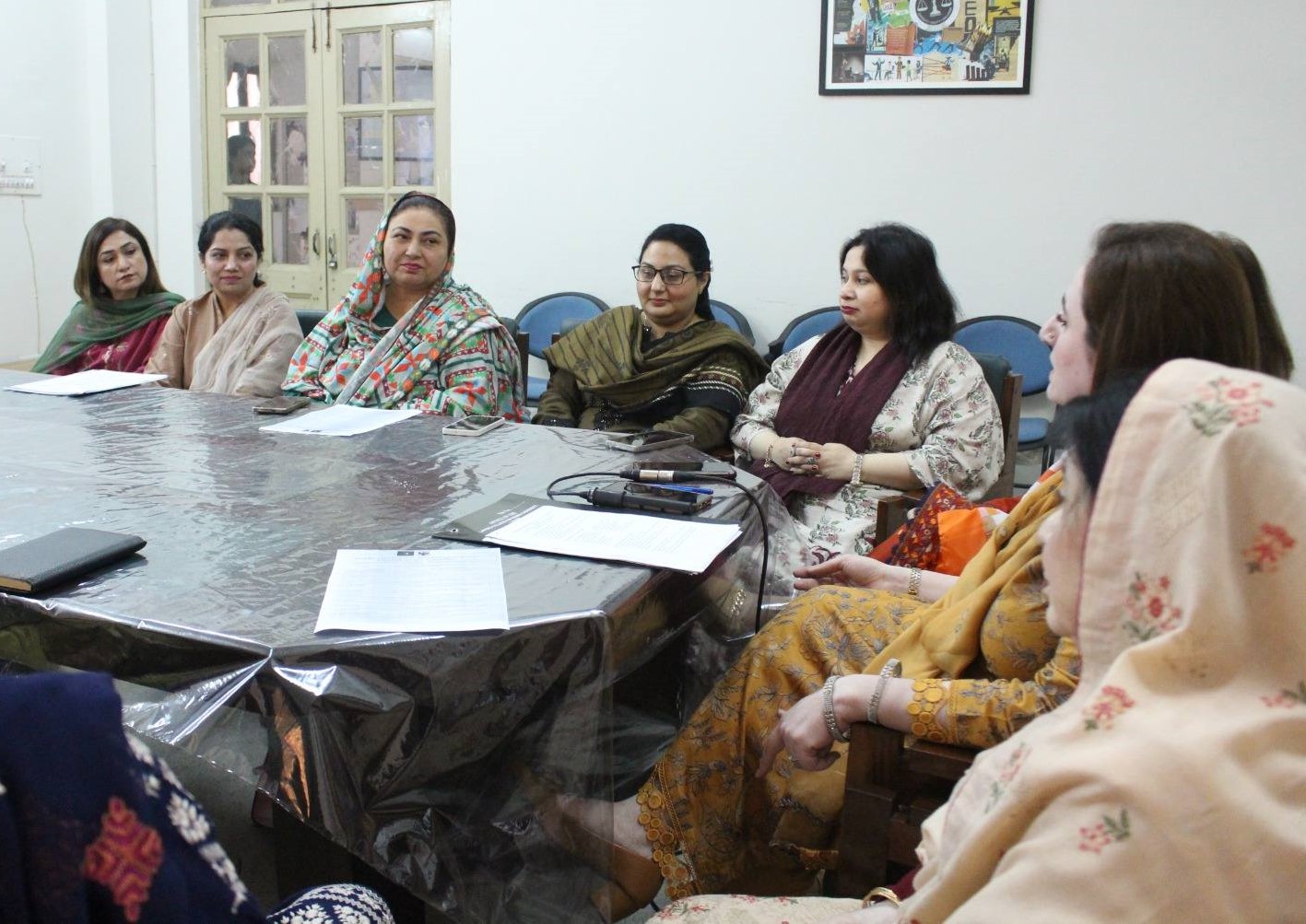
Senior clinical psychologist Dr. Mohsina Najeeb (Lahore Garrison University) highlighted practical steps psychologists can take to prevent violent extremism within communities through early identification, psychoeducation, and resilience-building initiatives.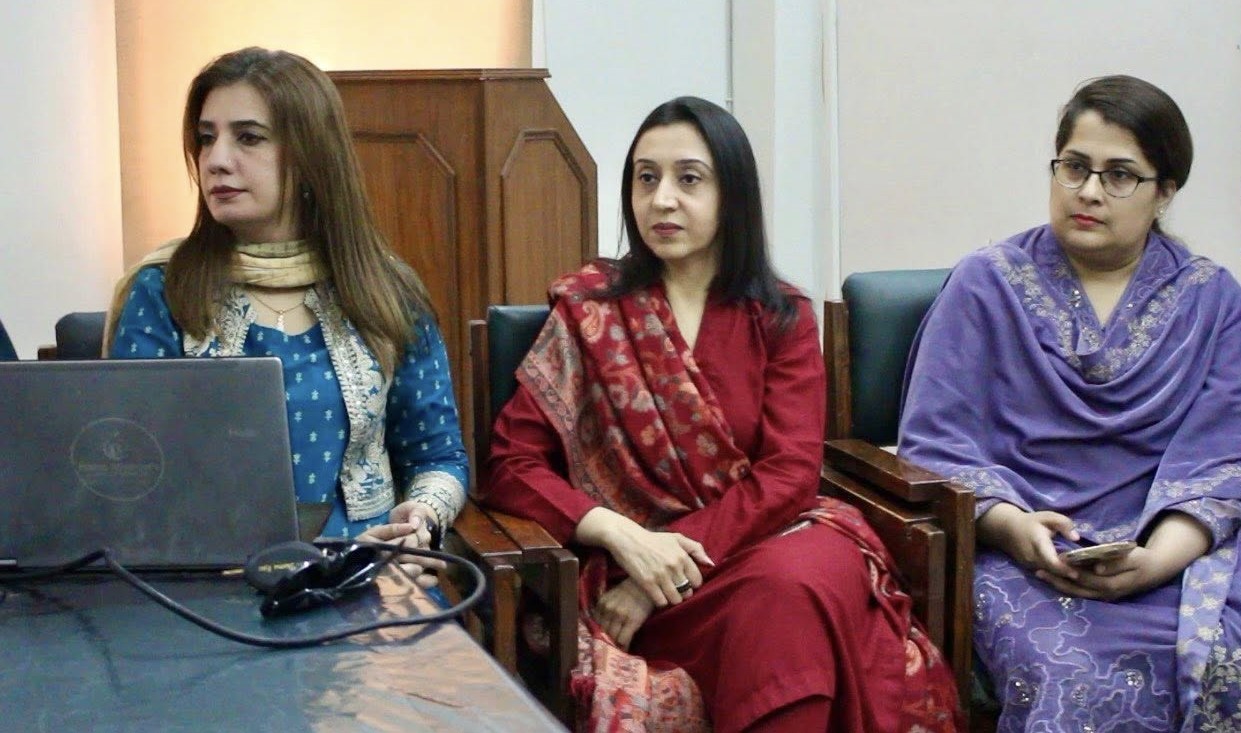
Dr. Bushra Naz (HOD Psychology University of Central Punjab) highlighted the need for transparent and secure reporting systems in universities and workplaces to ensure victim safety and institutional accountability.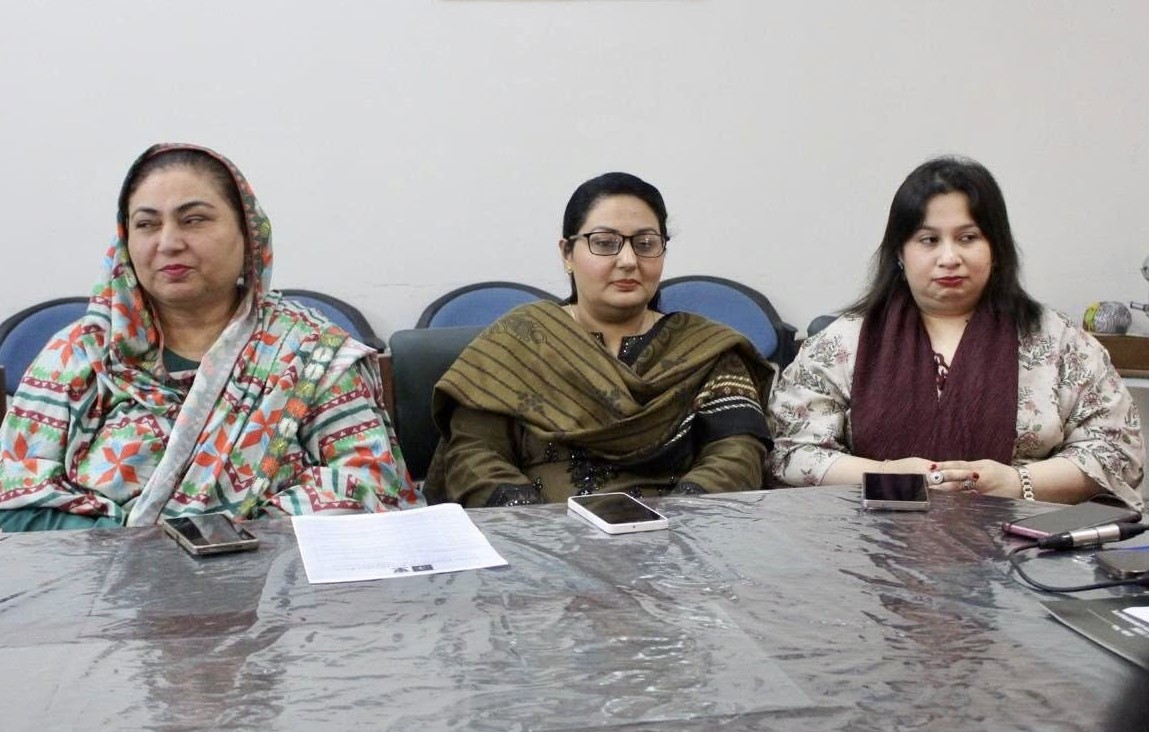
Dr. Rabia Iftikhar (HOD clinical psychology unit GC University Lahore) shed light on trauma patterns commonly observed in survivors of exploitation, stressing the importance of trauma-sensitive forensic evaluation and long-term psychological care.
Ms. Saira Majid (HOD Psychology Superior University) emphasized creating emotionally safe institutional environments through trauma-informed leadership, supportive policies, and awareness programs.
Dr. Shahnila Tariq (UMT Lahore) explored how understanding the psychological underpinnings of exploitative behavior can inform preventive strategies and early interventions.
Clinical Psychologist Dr. Hina Rana (UMT Lahore) discussed the impact of prolonged exposure to high-profile abuse cases on community well-being, including risks of vicarious trauma and societal mistrust.
Clinical Psgchologist Dr. Zainab Javed (CEO Positively Happy, Lahore) addressed the mental health consequences for individuals who have experienced abuse and highlighted the importance of accessible counseling and rehabilitation services.
Seasoned Clinical Psychologist Ms. Nazish Habib (PIMH Lahore) analyzed personality structures often associated with exploitative behavioral profiles, contributing to a deeper understanding of risk indicators.
Clinical Psychologist Ms. Rukhsana Mehmood (Additional Secretary General PPA; Program Director KCLCD) concluded by outlining trauma-informed interventions that can reduce the long-term impact of early exploitation through coordinated clinical, legal, and policy responses.
Prof Muazzam’s initiative in organizing this session in alignment with the International Day for the Prevention of Violent Extremism, was truly applauded by the academic community present. The session ended with a collective call for collaborative, research-informed policy measures to safeguard vulnerable populations and promote a culture of accountability and safety. The discussion points will be summarized and shared with the Center for excellence for Prevention of Violence Extremism.