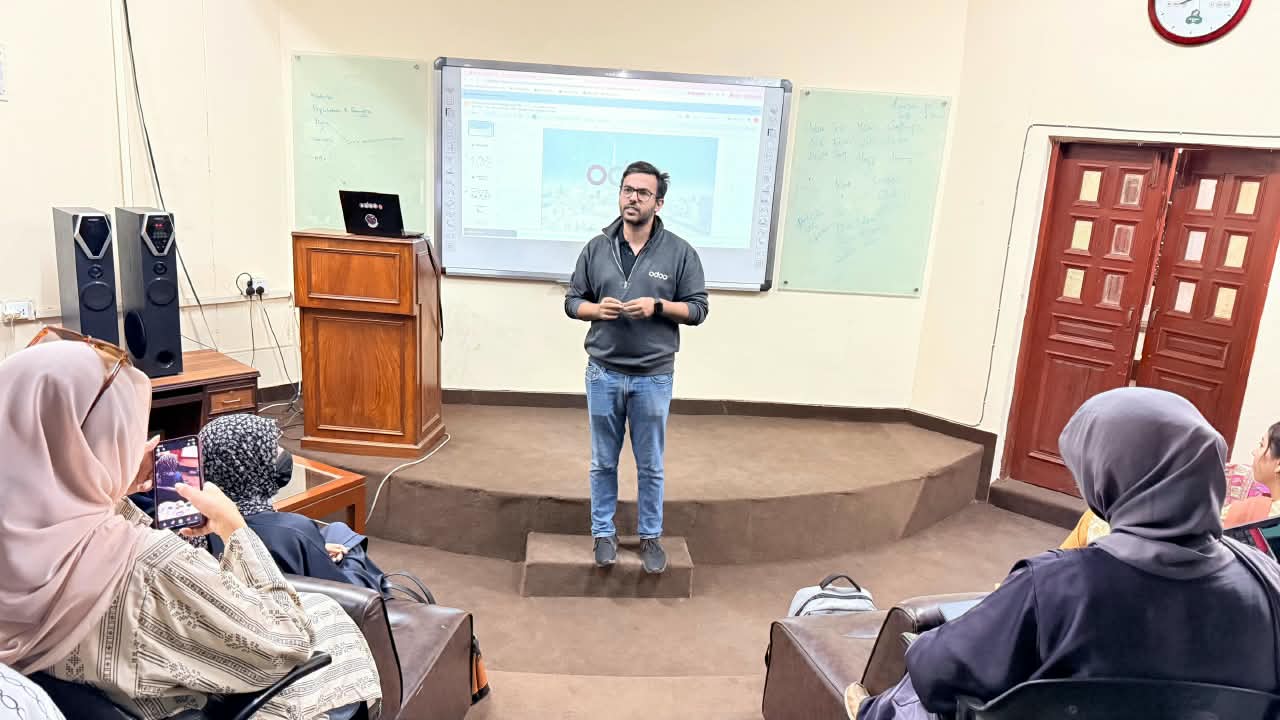

 The Department of Management Sciences organized a workshop titled “Odoo ERP and Business Management Solutions” on Friday, 9 October 2026, from 9:00 AM to 12:00 Noon at the Seminar Room, Department of Management Sciences. The session was attended by students of BBA, B.Com, and BPA and aimed to bridge the gap between academic learning and practical business applications by introducing students to enterprise resource planning (ERP) systems and their role in managing business operations.
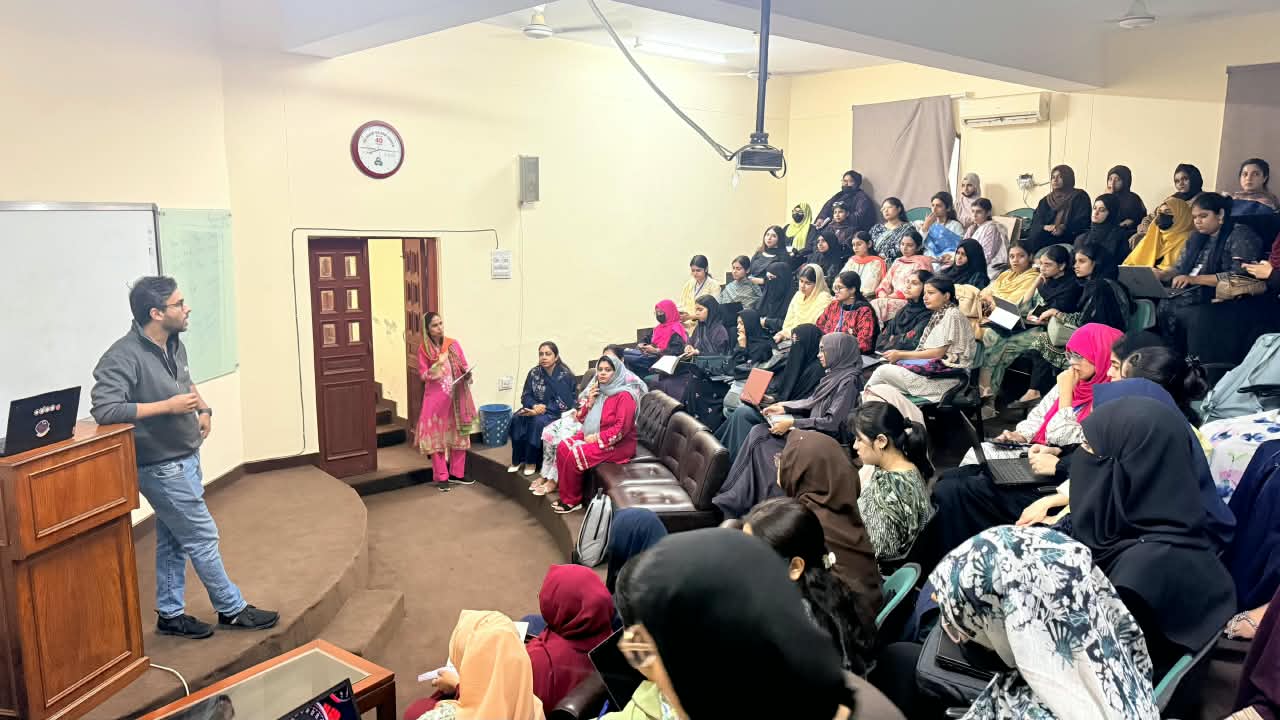
The workshop introduced Odoo as an integrated business management platform and an alternative to established enterprise solutions such as SAP, Oracle NetSuite, and Microsoft Dynamics 365. Its user-friendly interface and interconnected applications provide businesses with a centralized system for managing various operational functions. Through practical demonstrations, the instructor illustrated how Odoo can be used to manage sales, monitor inventory, and maintain business records, highlighting the potential of digital tools to improve operational efficiency, data accuracy, and decision-making.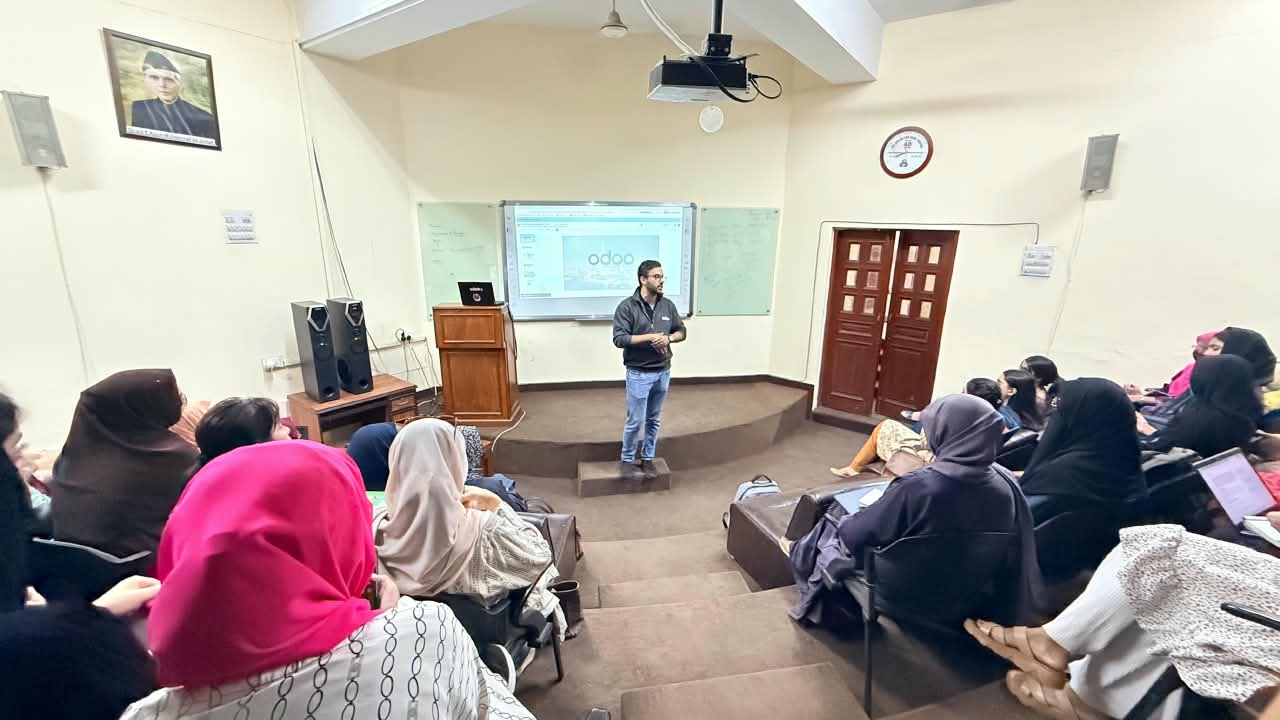
A key component of the session was a demonstration of Odoo’s e-commerce functionality, including the process of creating an online store for a business. The integration of multiple applications within a single digital ecosystem was also discussed, demonstrating how different business functions can be connected to streamline operations and facilitate information sharing. Students were further informed about an opportunity to access Odoo’s services free of cost for two years, providing them with an opportunity to explore ERP functionalities, gain hands-on experience with business management tools, and develop practical software skills.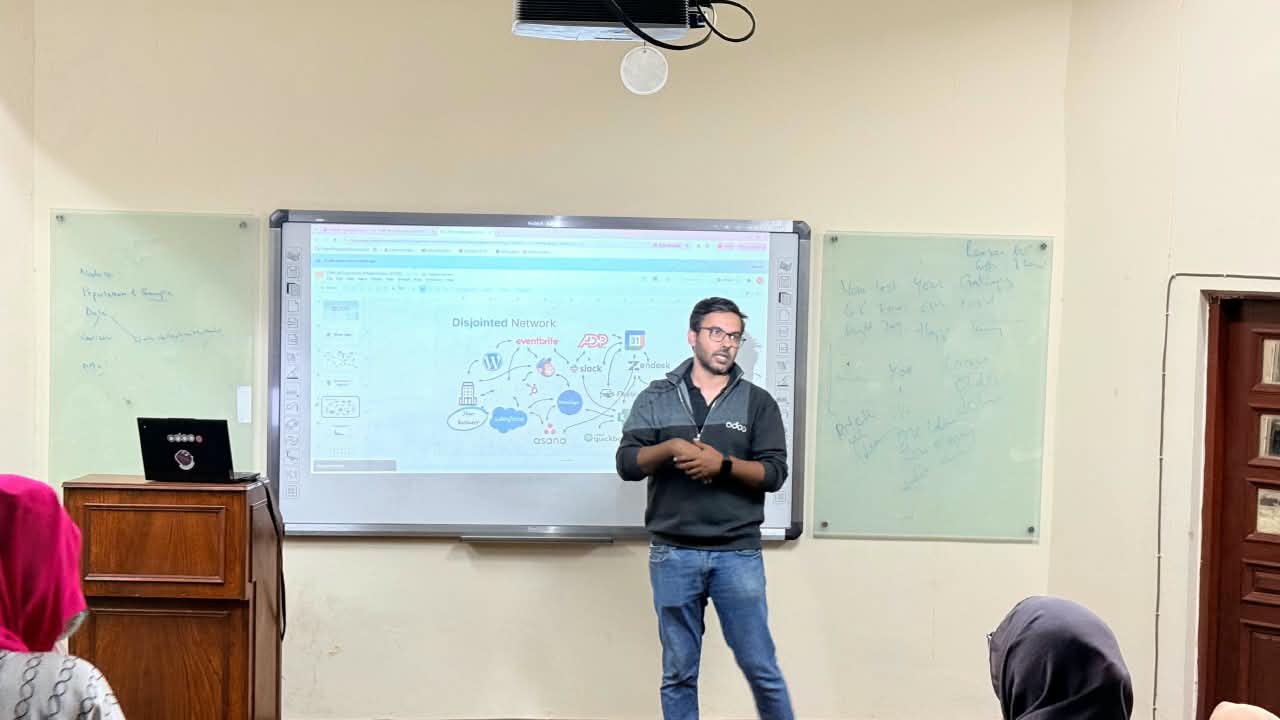
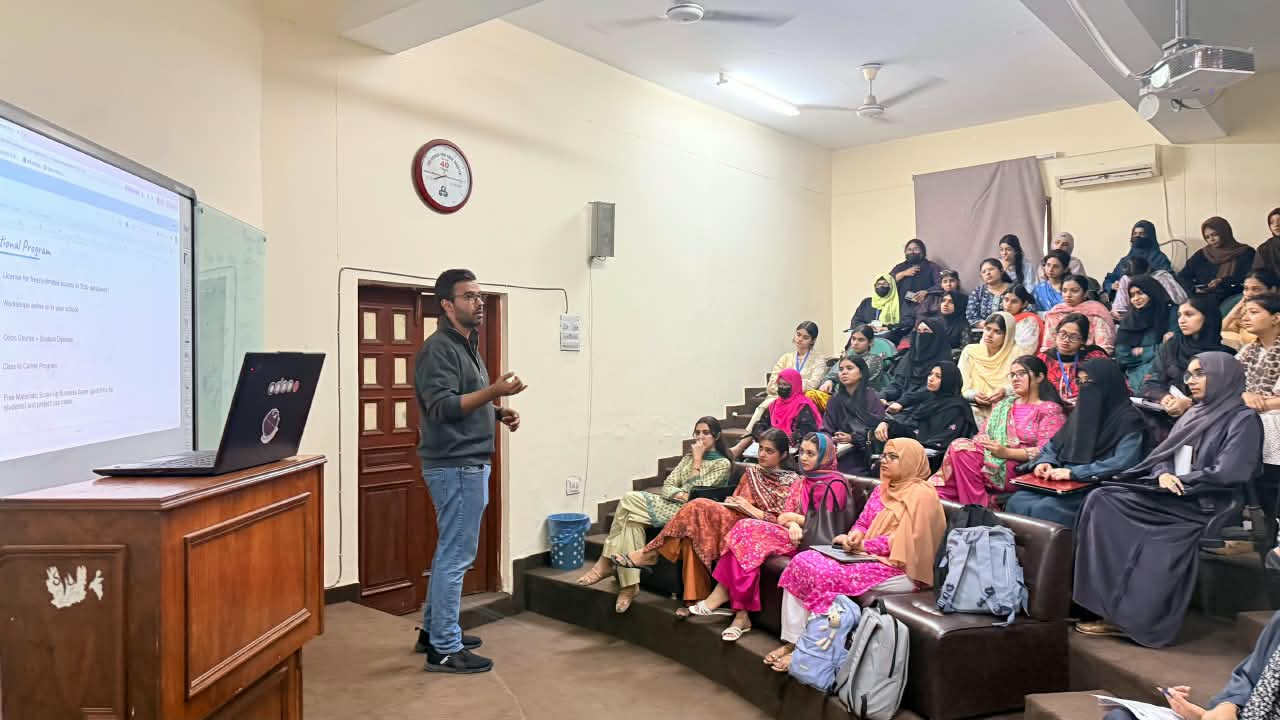 The workshop strengthened students’ understanding of how digital business systems translate management concepts into real-world applications. It highlighted the importance of integrated data, effective inventory control, sales tracking, and e-commerce in managing business operations successfully. The session also encouraged students to develop technological competence, analytical thinking, and familiarity with industry-relevant software. These learning outcomes are particularly valuable for students pursuing careers in business management, commerce, entrepreneurship, and public administration, where digital proficiency and efficient resource management are increasingly essential.